
Small spaces have one talent: they show every bad storage decision within about ten seconds. The best small space organization ideas follow a simple plan. Measure what you have, clear out what you don’t use, then add storage that fits, mostly on walls, doors and the empty areas under things.
Think about it: how many of us have bought a set of bins before knowing what would go in them? I’ve compared car-insurance quotes more than once, and the sticker price is rarely the whole story. Storage bins are no different. The real cost shows up later, when the wrong size sits in a closet and the return window has closed.
The ten ideas below work for a studio, a shared bedroom or a galley kitchen. Most cost little, and most need nothing more than a screwdriver. Along the way, expect a few reminders to measure, save your receipts and read the fine print on the packaging.
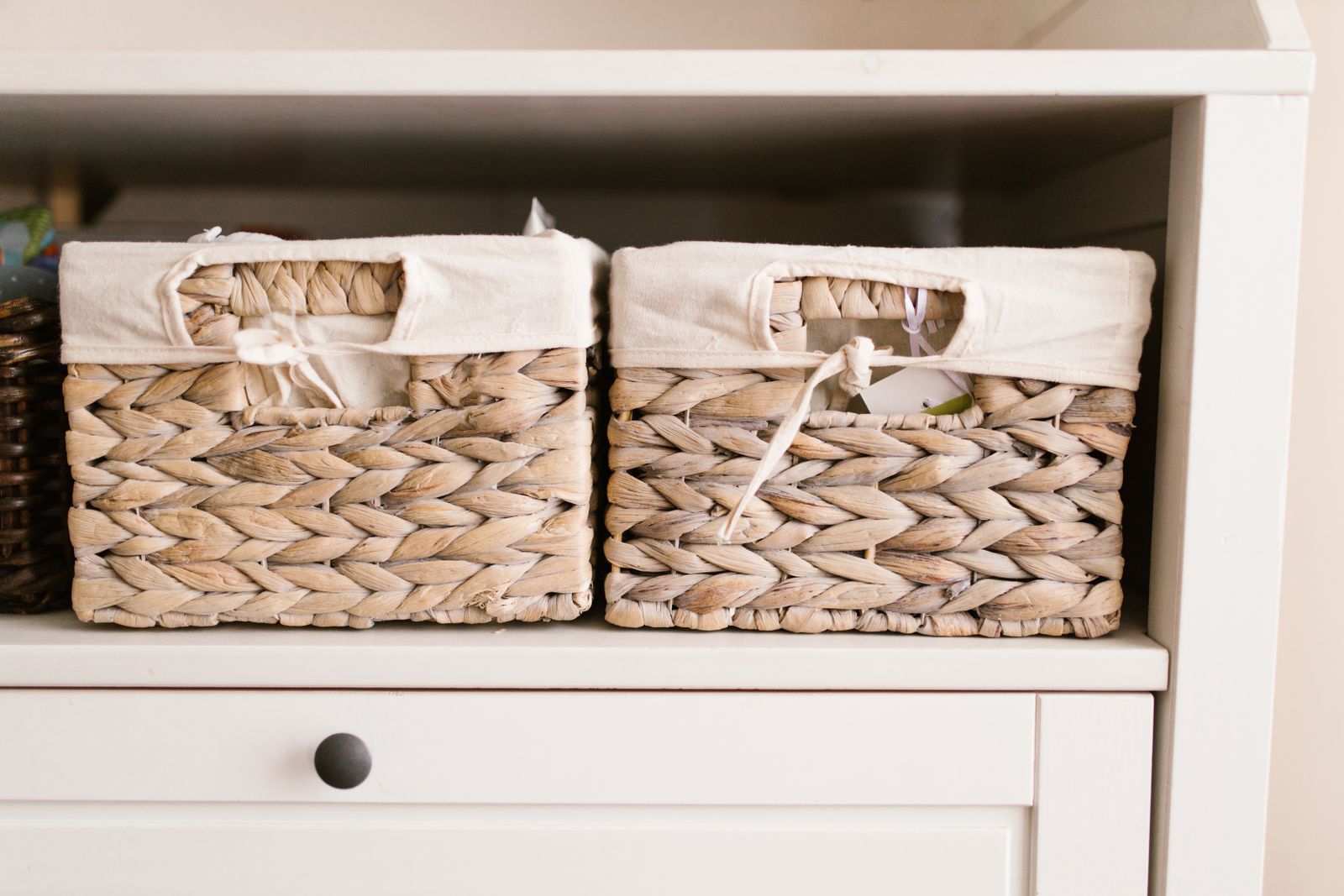
1. Measure Before Buying
A tape measure is the cheapest organizing tool you will ever own. Measure the shelf depth, the closet rod height, the gap beside the fridge and the clearance under the bed. Save the numbers in your phone so you have them in the store aisle. If a larger shelf has to come in, note the width of the doorway and any tight hallway turns too.
As someone who watches my own credit habits, I’d rather measure twice than return a cart full of plastic. Keep every receipt in a folder, and check the return window before you leave the counter. Return windows differ from store to store, and bulky items sometimes come with different terms.
2. Declutter
A bin holds clutter just as politely as it holds treasure. So sort first. Make three piles for keep, donate and toss, and be honest about the gadget you have not touched since the last move. Our decluttering tips cover the sorting step in more detail.
Once the keep pile shrinks, you will know what actually needs a home. That is the moment to buy containers. Most of us find we need fewer than we planned. If the donate bag tends to linger by the door, put it in the car the same day so it actually leaves.
3. Shop Your Home
Before you spend anything, look around. Shoeboxes make fine drawer dividers. Clean jars hold hair ties, spare screws and cotton balls. A sturdy basket from another room might slide neatly under the console table. Matching containers to what you actually own matters more than matching them to each other.
That also answers the matching set question. Sets look tidy in the package, but you may need three small boxes and one large one, not six of the same size. Buying single pieces lets you fit the item rather than the photo on the label.
4. Put The Backs Of Doors To Work
Doors are easy to overlook as storage in a small home. An over-the-door rack can hold shoes, cleaning supplies or pantry items. Hooks on the back of the bathroom door get towels off the floor. Inside cabinet doors, small hooks or a slim rail can hold measuring cups, lids and dish cloths.
Adhesive hooks are handy for renters, but read the weight rating printed on the packaging and stay under it. Also check that the door still closes with a rack on it. A rack that blocks the door is a return waiting to happen. Felt pads where the hooks rest on the door edge help protect the paint.
5. Add A Second Rod
Many closets are mostly air. A tension rod hung lower in the closet gives you a second bar for shirts and skirts. Shelf risers let you stack folded sweaters without the whole pile tipping over. Slim hangers help too, since bulky ones eat rod space.
Add a hook or two on the side wall for bags and belts. And if the chair in the corner has become your second closet, take that as a sign. Either the closet needs a better system, or some of those clothes need to go.
6. Use The Space Under The Bed
Under-bed bins with lids keep off-season clothes and extra bedding clean. Measure the clearance first, since frames vary and a bin that is too tall will not slide. Bins with wheels make life easier, if your floor allows them. Clear bins show what is inside without pulling each one out, and a label on the end works for solid ones.
If you are buying furniture anyway, pick pieces that store things. A bed with drawers, an ottoman with a lift-up lid and a nightstand with a shelf all earn their floor space. For help choosing a look, our roundup of home decorating trends for 2026 can point you toward storage pieces that still feel like you. Keep the nightstand for what you use every night, and let the rest live elsewhere.
7. Spin, Hang, Stack
Small kitchens run out of cabinet space first. A lazy Susan turns a deep corner cabinet into something you can actually reach. Risers create a second level for plates or spices. A pegboard on a bare wall holds pans, utensils and cutting boards, and you can move the hooks as your cookware changes. It also helps to group items by task, so baking supplies live together and the coffee gear sits near the kettle.
Then there is the junk drawer, the one that somehow holds four dead pens and a key to nothing. A drawer tray gives each item its own lane. Toss the pens.
8. Sturdy Shelving
When the floor is full, use the wall. Tall, narrow shelving takes little floor space and holds a lot. Put books and small appliances on the lower shelves, and keep lighter things up top. Check the weight limit listed for each shelf, and spread heavy items across it rather than piling them in the middle.
Safety matters here. In a news release dated July 29, 2025, the U.S. Consumer Product Safety Commission told people to “anchor TVs and furniture, such as bookcases and dressers, securely to the wall.” The commission also says to “store heavier items on lower shelves,” and notes that existing furniture “can be anchored with inexpensive anti-tip brackets.” If you rent, ask your landlord about wall anchors before you drill.
9. Drop Zone
Keys, mail, sunglasses and the earbud case all land on the first flat surface they find. Give them a better one. A small tray on a narrow shelf, a few wall hooks and a basket for shoes make a drop zone that takes almost no floor space. If there is an outlet nearby, a charging spot there keeps phones from wandering off to other rooms.
Anyone who has been late for work knows the sinking feeling of a missing wallet. The tray ends that search. Keep one rule: it holds only what you carry out the door.
10. One In, One Out
The best hack costs nothing. When something new comes in, something old goes out. A new pair of shoes means one pair leaves. Most of us also keep a drawer of cables for devices we no longer own, and this rule is a good excuse to clear it. A calendar reminder every few months to check one cabinet keeps small spaces from quietly filling back up.
If you are eyeing new bins or shelves, waiting for sales can help, and our Black Friday 2026 deals guide is a place to see what is out there. Just do not let a discount talk you into something that does not fit your measurements.
Small Space Organization FAQ
How do you organize a small space with no storage?
Start with walls, doors and the area under furniture. Over-the-door racks, wall hooks, vertical shelving and under-bed bins add storage without adding furniture. Declutter first so you only add what you need.
What is the best way to organize a small apartment on a budget?
Begin with what you own. Jars, baskets and shoeboxes work as dividers. Measure before buying, save receipts and follow the one in, one out rule. Add new pieces one at a time, once you know what is missing.
How do I make a small closet hold more?
Add a tension rod for a second hanging bar, shelf risers and slim hangers. Use the back of the door and the side walls for hooks. Then remove the clothes you no longer wear so the rest has room to breathe.
How do you keep a small space from getting cluttered again?
Give every item a home, keep the drop zone clear and stick to the one in, one out rule. A quick reset each evening keeps small piles from turning into big ones.
Start small. Pick one drawer or one door this weekend, measure it and clear it out before you buy anything. One tidy corner makes the next one easier to face.
Updated November 2026.