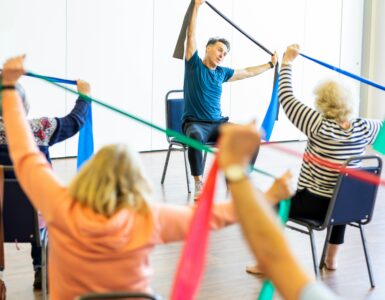
Somewhere after your fortieth birthday, your body starts sending invoices. The workout itself feels fine. The next morning does not. Tying your shoes now requires a strategic plan, a deep breath, and a countdown. Let’s be honest — that shift catches most of us off guard.
The good news is that fitness recovery has grown into its own small industry. Massage guns, compression boots, foam rollers, cold plunges, and sleep trackers all promise a faster turnaround. Some of that gear earns its shelf space. Some of it collects dust beside the ab roller you bought in 2011.
Trainers who work with clients over 40 tend to agree on a fairly short list. This guide covers what they recommend, what the research generally supports, and what you can skip without guilt. The goal here is simple. You want to keep training for decades, not just for one good season.
Why Recovery Changes After 40
Your muscles still adapt after 40. They just take a slower road to get there. Muscle protein synthesis tends to decline gradually with age. Connective tissue loses some of its elasticity. Sleep quality often dips, and sleep drives most of the repair work your body does.
None of this makes decline inevitable. It does mean your margin for sloppy habits shrinks. A rough night of sleep used to cost you a groggy morning. Now it can cost you a week of cranky hips.
Trainers describe the shift in plain terms. Younger athletes recover despite their habits. Older athletes recover because of them. That distinction shapes every recommendation below.
Smart fitness recovery also protects the thing you actually want, which is longevity in training. Consistency generally beats intensity over a ten-year span. A tool that keeps you showing up three days a week outperforms any single heroic session.
Massage Guns: The Loud Favorite
Percussive therapy devices sit near the top of most trainer lists. They are portable, easy to use, and they work in about five minutes. That last part matters more than people admit. A tool you actually use beats a better tool you ignore.
Research on massage guns generally points in two directions. They tend to improve short-term range of motion. They also reduce perceived soreness after hard sessions. Evidence for faster tissue healing looks thinner, so treat the bigger claims with mild skepticism.
Practical use matters here. Spend 60 to 90 seconds per muscle group, and keep the head moving. Avoid bony areas, joints, and your neck. More pressure does not mean more benefit.
Price ranges have widened considerably. Budget models often run $60 to $120 and handle basic needs well. Premium units add quieter motors, longer battery life, and better ergonomics. For most people over 40, a mid-tier device covers everything they will realistically need.
Foam Rollers and Mobility Tools: The Cheap Workhorse
Ask a trainer for one recommendation on a budget. Most of them name a foam roller. It costs about $25, it lasts forever, and it addresses the stiffness that creeps in after 40.
Foam rolling appears to improve flexibility without hurting strength output. That combination makes it useful before training and after it. Ten minutes generally does the job. Roll slowly, breathe, and pause on the spots that complain loudest.
A few companions round out the kit nicely. A lacrosse ball reaches glutes and shoulder blades. A short mobility stick helps with calves and forearms. Long resistance bands assist with hip openers and shoulder work.
Density matters more than most buyers expect. Softer rollers suit beginners and sensitive joints. Firmer textured rollers dig deeper, though they can feel punishing at first. Start soft and work upward over a few months.
Storage is the quiet advantage here. These tools live under a couch and cost less than one massage appointment.
Compression Boots: Comfort With a Real Price Tag
Pneumatic compression boots have moved from pro locker rooms into home gyms. They squeeze your legs in timed cycles, generally for 20 to 30 minutes. Users describe the sensation as pleasant, almost sedating.
The evidence sits in a reasonable place. Studies often show reduced soreness and improved perceived readiness. Effects on actual performance markers look smaller and less consistent. The truth sits somewhere in between the marketing and the skeptics.
Cost remains the sticking point. Full systems typically run $500 to $1,500. That number buys a lot of foam rollers and a few massage guns.
Some people still find the purchase worthwhile. Runners logging high weekly mileage tend to benefit most. So do people who stand all day and finish work with heavy legs. If you fit either group, the boots may earn their keep.
Everyone else should probably wait. Try a session at a recovery studio first. Twenty dollars answers the question faster than a credit card does.
Heat and Cold: Sauna, Ice, and the Contrast Debate
Temperature tools generate the most argument in the fitness recovery world. They also carry some of the more interesting research behind them.
Sauna use looks promising for longevity outcomes. Long-running Finnish cohort studies associate frequent sauna sessions with better cardiovascular markers. Heat exposure also feels great on stiff joints. Home infrared units run high, though gym saunas cost nothing extra.
Cold exposure comes with an important caveat. Ice baths immediately after lifting may blunt muscle adaptation. Trainers often suggest a simple fix. Keep cold plunges on rest days or several hours after strength work.
Contrast therapy alternates hot and cold in short cycles. Evidence remains mixed, but many people report feeling refreshed afterward. A hot shower followed by 60 seconds of cold water costs you nothing.
One note on safety. Heart conditions, blood pressure medication, and pregnancy all warrant a conversation with your doctor first.
Sleep and Tracking Tools: The Real Recovery Engine
Here is the part nobody wants to hear. No device on this list matters as much as your sleep. Deep sleep drives growth hormone release and tissue repair. Skimp there, and every other tool works against a headwind.
Sleep-focused purchases tend to deliver strong value. Blackout curtains cost about $40. A quality mattress topper often runs under $200. Cooling bedding helps considerably if night sweats interrupt your rest.
Wearable trackers occupy a middle ground. Rings and watches estimate sleep stages, heart rate variability, and readiness. Accuracy varies by device and by night. Treat the numbers as trends rather than as gospel.
Trainers still like them for one honest reason. Data changes behavior. Seeing a poor recovery score often convinces people to skip the late second beer.
Set a realistic bar. Seven to nine hours, a consistent wake time, and a cool dark room handle most of the work.
What Trainers Say You Can Skip
Not every product deserves your money. A few categories come up repeatedly on the skip list.
Recovery supplements top that list. Most people cover their needs with protein, creatine, and food. Exotic blends promising rapid repair rarely justify the markup.
Vibrating platforms show weak evidence for meaningful benefit. Grounding mats and copper compression sleeves fall into similar territory. Copper garments provide compression, which helps a little. The copper itself contributes nothing measurable.
Expensive percussive attachments deserve mention too. The standard ball head handles roughly 90 percent of real use.
None of this means these products harm you. It means your first $200 belongs elsewhere. Buy the roller, fix the bedroom, and try the sauna at your gym.
Trainers also flag one behavioral trap. People sometimes use recovery gadgets as a substitute for lighter training weeks. A deload week remains the most effective recovery tool available, and it costs nothing.
Building a Simple Weekly Recovery Routine
A good routine fits your actual life. Complicated protocols collapse within two weeks.
Try this framework. After every session, spend five minutes with a massage gun or roller on your primary working muscles. Twice weekly, add a longer 15-minute mobility block on rest days. Once weekly, use heat for 15 to 20 minutes if you have access.
Guard your sleep window like an appointment. Same wake time, cool room, screens off early. That single habit outperforms most purchases described above.
Schedule a lighter week every fourth or fifth week. Reduce volume by roughly 40 percent and keep intensity moderate. Your joints will thank you by week six.
Track how you feel rather than chasing perfect numbers. Morning stiffness, mood, and training enthusiasm tell you plenty.
Build the habit first, then buy the gear. A sustainable fitness recovery routine generally beats an expensive one.
The Bottom Line
Recovery after 40 rewards patience more than gadgets. Start with sleep, then add a foam roller and a mid-tier massage gun. Explore heat if your gym already offers a sauna. Consider compression boots only after the basics run smoothly for a few months.
Think about the spending order rather than the shopping list. Roughly $60 fixes your bedroom environment. Another $25 buys the roller. A solid percussive device lands near $100. That total covers the majority of what trainers actually recommend to clients over 40.
Everything beyond that point delivers smaller returns. Nice returns, sometimes. Just smaller ones.
Watch your own signals as you build the habit. Morning stiffness should ease within a few weeks. Training enthusiasm should climb rather than fade. Persistent joint pain deserves a physical therapist, not another gadget.
Your training decades depend far more on consistency than on equipment. The best fitness recovery tool remains the one you reach for on a Tuesday, when motivation runs low and the couch looks convincing.