
Heating and cooling move your utility bills more than anything else in the house, because they use nearly half of a home’s energy. Water heating comes next. Unplugging phone chargers is the most overrated fix, and I would put it last on the list.
Why are my utility bills so high?
Most of the time, it is the thermostat. A house spends its energy keeping the inside a different temperature from the outside. ENERGY STAR says nearly half of the energy used in a home goes to heating and cooling.
I live in Southern California, where one hot Santa Ana day in the fall can put the AC back on after you thought summer was over. The bill that shows up a month later tells the story. Nothing else in the house comes close.
So here is my call. The winner, the thing that moves your number most, is your thermostat setpoint. The loser is unplugging chargers one by one, which gets far more attention than it earns. This section helps most if you have central air or a furnace. Skip it if you rent a small unit where the landlord pays for heat.
Average utility bill in the US
The U.S. Energy Information Administration (EIA) has full-year figures for 2024. That year the average home used 863 kilowatt-hours of electricity a month at 16.48 cents each, for an average bill of $142.26. For a newer price, the agency’s Electric Power Monthly shows 18.34 cents per kilowatt-hour in June 2026. That is up from 17.47 cents in June 2025, and both numbers are preliminary.
Your own bill will not match that. Rates change a lot by state. In California, the 2024 average was 31.97 cents a kilowatt-hour, nearly double the national rate, while the average home there used only 503 kilowatt-hours a month. A home with electric heat or a pool runs well above the average, and a small apartment runs below. Gas, water and trash come on separate lines, so check each one on its own.
I am a long-time label reader, so I read the small print on a bill the way I read a food label. The number on top is the least useful part. The kilowatt-hours and the rate underneath tell you what happened.
A bill that looks fine in April can look scary in August. Nothing changed but the weather. This section helps anyone who wants to know if their bill is normal. If you already compare your usage month to month, skip ahead.
How to lower utility bills: start with the thermostat
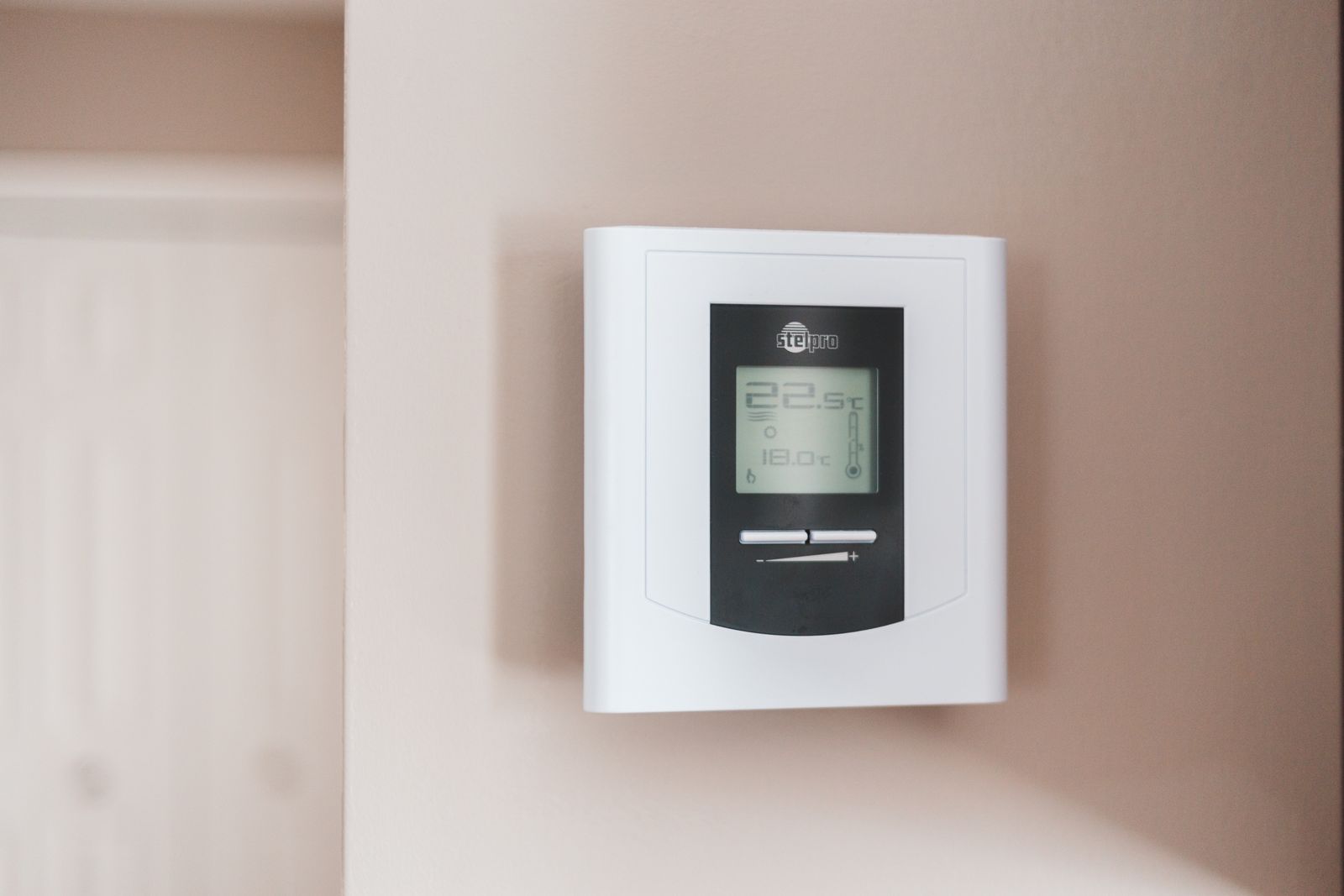
Budgeting in a high-cost part of California taught me to go after the biggest line first. For a utility bill, that is heating and cooling. The Department of Energy says turning your thermostat back 7 to 10 degrees for 8 hours a day can save as much as 10 percent a year on heating and cooling. Savings run larger in mild climates, which is good news on the California coast.
That 10 percent applies to heating and cooling, not your whole bill. Still, it costs nothing. Set it back while you are at work or asleep, and leave it alone the rest of the day. Skip the big swings if someone at home needs steady temperatures. Comfort wins.
Leaks in the ductwork come next. ENERGY STAR says sealing and insulating ducts can improve the efficiency of a system by as much as 20 percent. That helps most in older houses with ducts running through a hot attic. If you rent, ask the landlord before you touch anything.
If you want a wider list of cuts, our guide to reducing your monthly bills covers more than energy.
How to reduce water heating costs
Water heating is the second big one. The Department of Energy calls it the second largest energy expense in your home, about 18 percent of your utility bill. Low-flow fixtures cost about $10 to $20 each and can cut water use by 25 to 60 percent. Dripping is not harmless either. A leak of one drip per second wastes 1,661 gallons and can cost up to $35 a year.
Leaks add up across a whole house. The EPA’s WaterSense program says the average family can waste 180 gallons a week, or 9,400 gallons a year, from household leaks. Not every leak is hot water, but every leak shows up on the water bill. Outdoor use is the other big drain: on average it is more than 30 percent of household water, and it can reach 60 percent in dry regions.
Hot water use per task is easy to picture. By the Energy Department’s count, a clothes washer uses about 25 gallons a load, a shower about 10 and a dishwasher about 6, out of about 64 gallons a day. An inefficient clothes washer can cost three times as much to run as an efficient one. So a long shower and an old washer are bigger targets than most small habits.
A dripping faucet is easy to ignore until you hear it at 2 a.m. Fix those first. It is usually a small repair. This section helps most if you pay for water directly or you water a lawn. Skip it if water is bundled into your rent.

Here is the order I would work in. First the thermostat setpoint. Second the hot water, meaning the showerhead and the washer. Third leaks, for the drips and the ductwork. Last, standby power. The order follows each one’s share of the bill, biggest first, with leaks in the middle because they vary so much from house to house. If you only have one free weekend, spend it on the first two steps and call it done.
Does unplugging chargers save electricity?
A little, but chargers are the loser in this story. The Department of Energy says standby power makes up 5 to 10 percent of residential energy use and could cost the average household as much as $100 a year. That figure covers every device on standby in the house, not one charger.
Put that next to the 2024 average electric bill of $142.26 a month, which comes to about $1,707 a year. A $100 worst case is about 6 percent of that. One phone charger is a sliver of a sliver.
Here is what I would do instead. Plug the TV, game console and set-top box into one power strip and flip it off at night. Skip crawling behind the couch for a single charger. This helps people with a crowded entertainment center the most.
How to read your utility bill in 10 minutes
This is the tool I would use first. It takes one bill and about ten minutes.
- Find the kilowatt-hours used and the price per kilowatt-hour. If your utility uses tiers or time-of-use rates, note which tier or hour block most of your use fell in.
- Multiply them. With the 2024 national averages above, 863 kWh times $0.1648 is $142.22, within pennies of the average bill. At the June 2026 price of 18.34 cents, the same usage comes to about $158, a rough illustration that mixes 2024 usage with a 2026 price. On your own bill, this math gives the energy charge before fixed fees and taxes.
- Compare the kilowatt-hours to the same month last year. If usage is flat and the bill rose, the rate went up. If usage jumped, look at heating, cooling and hot water first.
- Check the meter reading type. An estimated read can swing one month high and the next month low.
- Do the showerhead test from the Department of Energy. If a 1-gallon bucket fills in under 20 seconds, a low-flow showerhead could cut your hot water use.
The winter bill often lands right when holiday spending does. If that is a squeeze, our piece on how to fund the holidays without financing them can help. And put the due dates on the same calendar you use to manage your finances, so no bill sneaks up on you.
Frequently asked questions about utility bills
What is a high utility bill?
I would measure it against your own home first. A bill well above the same month last year, with no change in weather or household, is high for you. For a national yardstick, the EIA’s 2024 average electric bill was $142.26 a month, before gas, water and trash.
Why did my utility bill jump this month?
Check the kilowatt-hours first, because that tells you if you used more or paid more. A hot or cold week, a guest, or an estimated meter read can all do it. If usage is the same and the bill is higher, call the utility and ask about a rate change.
How can I lower utility bills in an apartment?
Start with the thermostat, since setting it back while you are out costs nothing and needs no one’s permission. Then put the TV and game console on one power strip. Ask the landlord before you swap a showerhead or touch the ducts. I would skip buying gadgets until those free steps are done.
Is it cheaper to leave the AC on all day?
I would not. The Department of Energy says setting the thermostat back 7 to 10 degrees for 8 hours a day can save as much as 10 percent a year on heating and cooling. Set it back while you are out, then let it return to your normal setting before you get home.
This article is general information, not financial advice.
Updated November 12, 2026.